Roofing Process, Materials, and Homeowner Guide
Homeowners often ask what happens before, during, and after a roofing project. This guide explains how roof inspections, roof replacement, roof repair, and roof installation work in real life so you can confidently move forward and book your project at the right time.
How to know if you need roof repair or full roof replacement
A common question is whether a roof needs a targeted repair or a complete replacement. If damage is limited to a small area and the rest of the system is healthy, a repair can often extend the roof's life. If there are repeated leaks, widespread shingle loss, soft decking, or an aging system near the end of its lifespan, replacement is usually the safer long-term investment and helps avoid repeated patch costs.
An inspection should evaluate more than visible shingles. Flashing, ventilation, underlayment condition, attic moisture, and drainage patterns all impact performance. Looking at the entire roofing system helps avoid short-term fixes that become expensive recurring issues, so you can make one clear plan and schedule with confidence.
What happens during a professional roof inspection
A professional inspection starts with a full exterior review of shingles or roofing panels, valleys, ridges, flashing transitions, and penetrations like chimneys or vent stacks. The goal is to identify water-entry risk points, storm impact, and signs of material fatigue before visible interior damage appears and before repair scope expands.
Inspectors also review ventilation and moisture control because trapped heat and humidity can reduce roof life. The final recommendation should be clear: what needs immediate action, what can be monitored, and what preventative maintenance can protect your home over the next few seasons, so you can book work quickly and avoid costly delays.
Step-by-step roof replacement process for homeowners
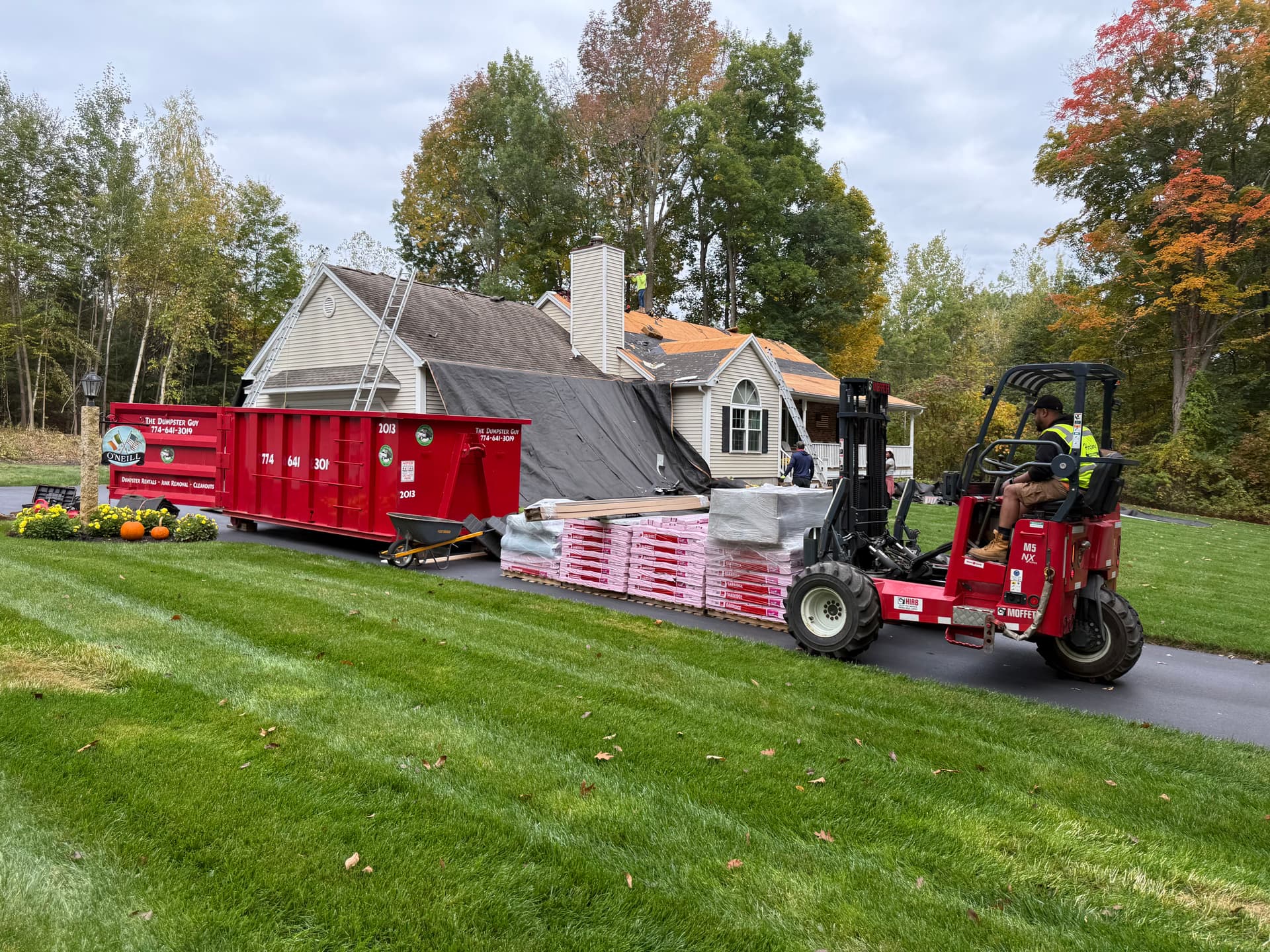
Most replacement projects follow a predictable sequence: initial consultation, inspection and scope definition, material selection, scheduling, tear-off, deck prep, waterproofing layers, shingle or panel installation, site cleanup, and final walkthrough. Knowing these milestones makes the project easier to plan and easier to commit to without uncertainty.
During installation, critical details include proper drip edge placement, leak barrier in vulnerable zones, correct nailing patterns, and high-quality flashing work. These details are often more important than any single product choice and are key to long-term weather protection in New England conditions, which is why booking with a detail-driven team matters.
Roofing materials: asphalt, metal, and performance considerations
Asphalt shingles remain a popular choice for residential roof replacement because they offer dependable weather protection, broad style options, and strong value. Metal roofing can provide extended service life and energy-performance benefits in some applications. The right choice depends on slope, design goals, budget, and long-term ownership plans, and a clear recommendation makes it easier to move forward now.
Material decisions should also account for local wind exposure, freeze-thaw cycles, algae resistance, and manufacturer system compatibility. A roofing system performs best when components are designed to work together, not when products are mixed without a clear specification or installed without a defined plan.
Why ventilation and drainage matter as much as shingles
Many premature roof failures are linked to poor attic ventilation and water management, not only shingle wear. A balanced intake/exhaust setup helps regulate temperature and moisture levels, while effective drainage reduces standing water and ice-related stress at edges and valleys before they turn into interior damage.
Gutters, downspouts, flashing transitions, and roof geometry all work together to move water safely away from your home. Addressing these elements during repair or replacement helps prevent hidden structural damage and supports full-system durability, giving you fewer surprises after installation.
Storm damage and seasonal roof maintenance in Massachusetts
New England roofs face wind events, heavy rain, winter snow loads, and freeze-thaw movement that can open vulnerable seams over time. Seasonal checks after major storms help catch displaced shingles, bent flashing, granule loss, and developing leak paths early, before urgent emergency repairs are needed.
Preventative maintenance does not need to be complicated. Consistent inspection intervals, prompt minor repairs, and clean drainage pathways can reduce emergency calls and preserve roof life. Homeowners who take action earlier usually protect more value and avoid bigger disruptions later.
Questions homeowners should ask before choosing a roofing contractor
Before hiring a contractor, ask for a clear scope of work, material specifications, and an explanation of installation details at penetrations and transitions. You should also understand project timeline expectations, cleanup standards, communication cadence, and what final quality checks are included so there are no surprises once your job starts.
Comparing proposals line by line helps you evaluate true value rather than headline price alone. A thorough proposal should define the system, not just the surface layer, so you can confidently compare repair versus replacement options and book the right solution without putting the decision off.